
Plastic Processing & Packaging Products
Graham Packaging — Graham Packaging: Select Materials by Performance, Process and Proof
Start with service conditions, processing constraints and the evidence your approval team needs. The result is a clearer route to grade, component or converted-product review.
Specification comparison
Two application tracks, one qualification language.
Graham Packaging structures early material conversations around measurable criteria instead of loose product naming, reducing back-and-forth between purchasing and engineering.
| Evaluation point | Elastomer & rubber track | Resin & packaging track |
|---|---|---|
| Primary control | Shore hardness, elongation, compression set, chemical exposure | Melt flow, viscosity, adhesion, clarity and thermal stability |
| Common formats | Rubber compounds, TPE grades, sheets, seals, profiles and hose components | Pellets, resins, adhesive tackifier systems, films and packaging substrates |
| Validation evidence | Tensile curves, aging data, dynamic fatigue and fluid compatibility notes | Peel strength, process window, haze, migration and converting trial records |
| Buyer priority | Part reliability, replacement interval and PPAP readiness | Line stability, regulatory acceptance and cost per converted unit |
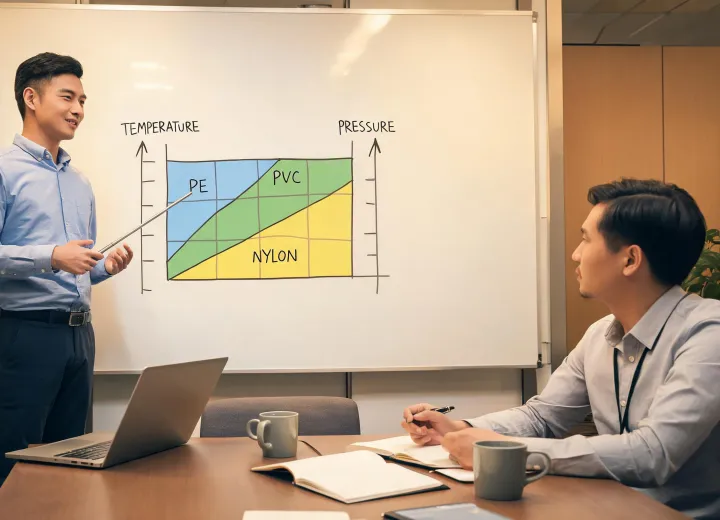
Clear explanations first
Readable Guidance Before the Datasheet
Graham Packaging summarizes what each material family does well, where it struggles, and which test or compliance document should be checked before you spend time on samples.
- Temperature, pressure, media, bend radius, and abrasion notes translated into buyer language.
- Polymer, plastic processing, and pneumatic decisions kept in one project thread.
- Practical next steps for prototypes, catalog parts, or custom material review.
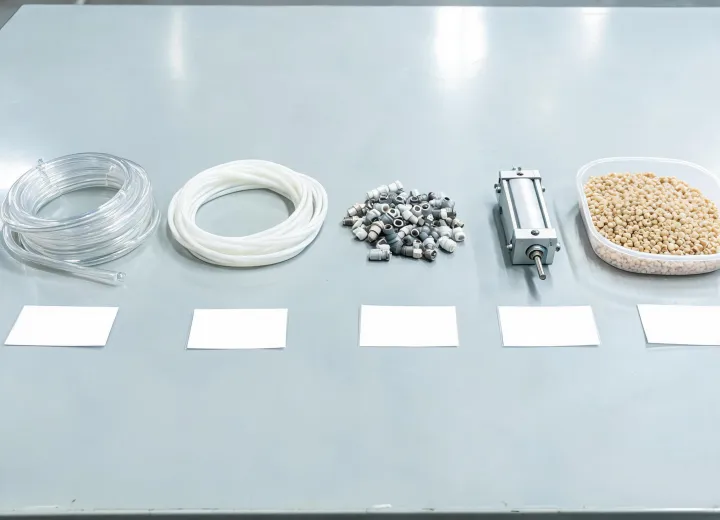
Sample-friendly support
From Sketch to Sample Without the Gatekeeping
Our advisors help narrow a short list, note likely risks, and define what a useful sample kit should contain so your team does not evaluate ten options when three would do.
- Suggested sample sizes, application notes, and questions to ask before a mold or line trial.
- Support for Graham Packaging plastic tubing, air hose, pneumatic cylinders, and compatible polymer components.
- Documentation checkpoints for procurement, quality, and plant engineering reviewers.
Application lanes
Materials support across demanding plastic conversion environments.
Flexible packaging
Film and web structures where clarity, seal behavior and conversion speed define success.
Industrial components
Injection molded housings, fixtures and precision parts needing repeatable resin performance.
Electronics insulation
Plastic films and engineering polymers evaluated for dimensional and electrical behavior.
Automotive lightweighting
Resin and reinforced material briefs for durable parts with strict property documentation.
Medical packaging
Barrier, cleanliness and traceability discussions for regulated plastic package programs.
Buyer situations
How teams use Graham Packaging guidance.
"We needed a transparent material story that engineering, brand and sourcing could all understand before committing to the tool."
Product Development LeadConsumer electronics enclosure program
"The useful part was seeing the qualification questions early, not after procurement had already asked for price by kilogram."
Strategic Sourcing ManagerIndustrial molded component buyer
"Recycled-content claims became easier to discuss once the team separated marketing language from what the application could actually tolerate."
Packaging Innovation ManagerRigid packaging development group
Structured next step
Send the process envelope and let Graham Packaging frame the resin conversation.
Include target property values, current grade, processing method, annual usage, compliance market and distributor expectations. The clearer the intake, the faster a grade shortlist can become a sample and documentation plan.
- Grade family and processing route review
- Compliance and datasheet request mapping
- Sample, color and launch timing alignment